
Escalating Crisis in Afghanistan
Millions of women and girls in Afghanistan are facing a severe long-term threat to their health and survival. The United Nations warned during a press briefing in Geneva on Friday, November 20, 2026, that an estimated 22 million women and girls are at risk of losing access to essential healthcare services. This looming health emergency stems from a combination of strict new rules imposed by the Taliban and sharp reductions in international humanitarian assistance.
목차
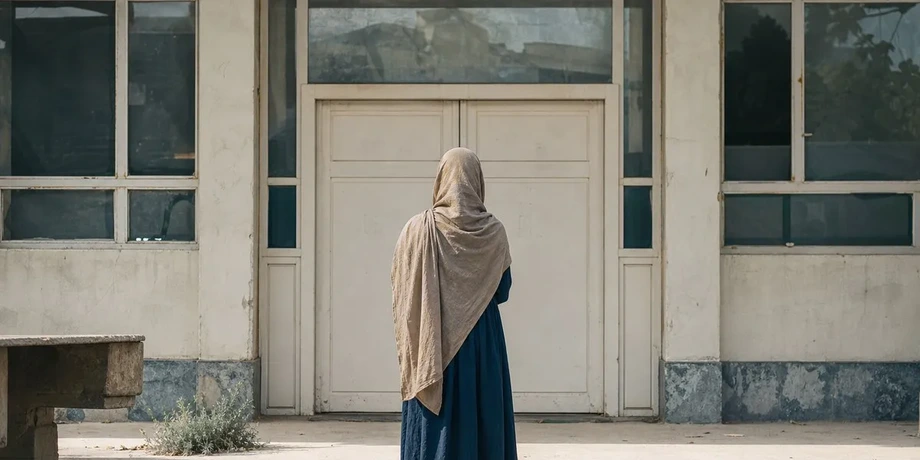
Since returning to power in August 2021, the de facto authorities have issued more than 100 decrees restricting women and girls. These edicts limit freedom of movement, ban secondary education beyond grade six, exclude women from universities and most forms of employment, and require a male guardian for travel. In December 2024, the administration further restricted medical education by barring women from attending training institutions such as nursing and midwifery programs. This policy threatens the future availability of female healthcare workers in a society where cultural norms often prevent women from receiving treatment from male medical staff.
Impact of Aid Reductions on Medical Facilities
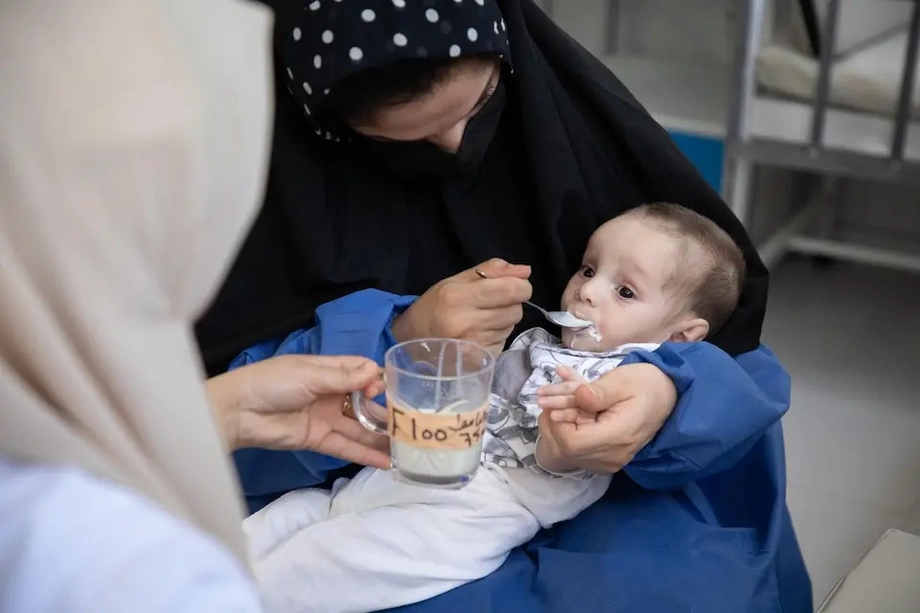
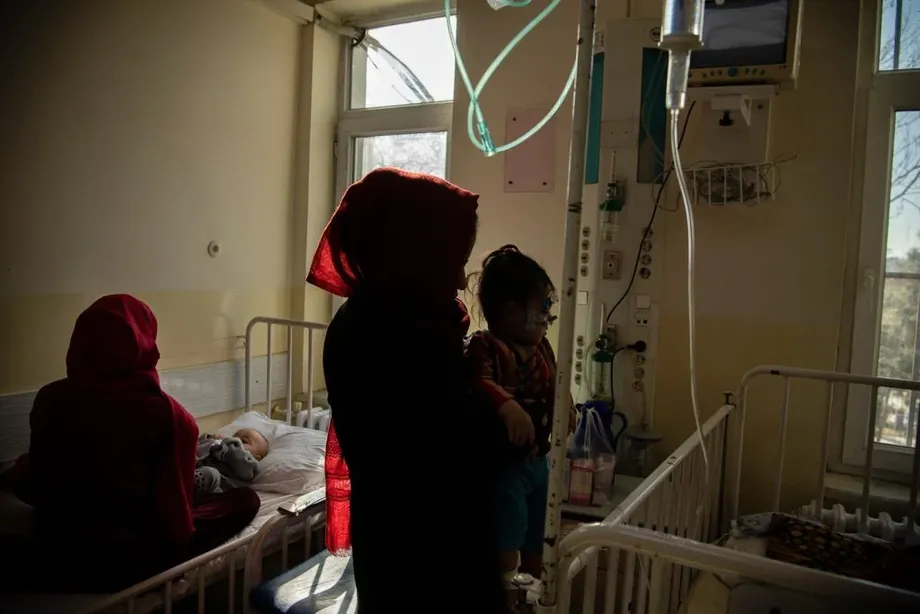
Declining international financial support has forced aid organizations to make difficult choices about who receives assistance. According to the UN Office for the Coordination of Humanitarian Affairs, nearly 300 humanitarian health facilities have closed or suspended operations across Afghanistan. These closures affect more than one million women and girls who rely on those centers for basic medical care, maternal health services, and emergency treatment.
Obstetric fistula, a serious childbirth injury causing chronic pain and incontinence, illustrates the specialized needs at risk. UN Special Representative and head of the UN Assistance Mission in Afghanistan, Rabab Fatima, visited the World Health Organization-supported fistula repair ward at Mirwais Regional Hospital in Kandahar on November 16, 2026. Specialized centers at Mirwais Regional Hospital and Rabia Balkhi Hospital in Kabul aim to directly benefit 300 women and indirectly support 300,000 women and girls of reproductive age. However, broader access remains restricted by shortages of female professionals and rules requiring male guardians.
Voices from the Field
Sophia Calltorp, chief of humanitarian action at UN Women, shared accounts of severe hardship gathered during a recent visit to Afghanistan. She described meeting a woman in Kunar province who suffered multiple miscarriages without receiving medical care.
One woman that I met in Kunar told me that she had suffered multiple miscarriages without access to healthcare. I also met with men who spoke of restrictions preventing them from supporting women.
Calltorp also highlighted the plight of displaced women spending their second winter away from home after losing houses in last year's earthquake, compounded by recent flooding and clashes along the border with Pakistan. She noted that while support programs exist, such as a case involving a young woman helped by a local violence prevention initiative, broader protection mechanisms have been dismantled.
Wider Humanitarian Consequences
The reduction in resources extends far beyond medical clinics. More than 193 support centers for survivors of gender-based violence have closed, leaving over one million women and girls without access to protection services. Approximately 3.4 million women and girls are also likely to lose access to safe water, sanitation, and hygiene services. Meanwhile, an estimated 2.6 million girls remain barred from secondary education, a restriction that increases the risk of child marriage and maternal mortality.
Operational challenges compound these service gaps. The UN Office for the Coordination of Humanitarian Affairs reported registering 29 humanitarian access incidents in October 2026, including 21 cases of interference in aid activities. These incidents involved restrictions on female aid workers, delays in signing memorandums of understanding, and interference in program design.
International Response and Appeals
Susan Ferguson, UN Women's Special Representative in Afghanistan, described the situation as the world's worst crisis of women's rights. She urged international donors to maintain and increase financial support despite competing global crises.
Stay the course and increase, not cut, your support. Back these women.
This healthcare emergency unfolds against a backdrop of broader international withdrawal and growing economic hardship. The return of millions of Afghans from neighboring countries, particularly Iran and Pakistan, has further increased demand for food, shelter, and medical care while humanitarian funding shrinks.
The Essentials
- An estimated 22 million women and girls in Afghanistan face long-term risks of losing access to essential healthcare services.
- Nearly 300 humanitarian health facilities have closed due to funding cuts, affecting over one million women and girls.
- More than 193 gender-based violence support centers have shut down, removing protection for over one million individuals.
- An estimated 2.6 million girls remain barred from secondary education under Taliban edicts.
- The Taliban banned women from attending medical training institutions in December 2024, threatening the future pipeline of female doctors, nurses, and midwives.