
Navi Mumbai Airport Reaches Milestone With Record Single-Day Traffic
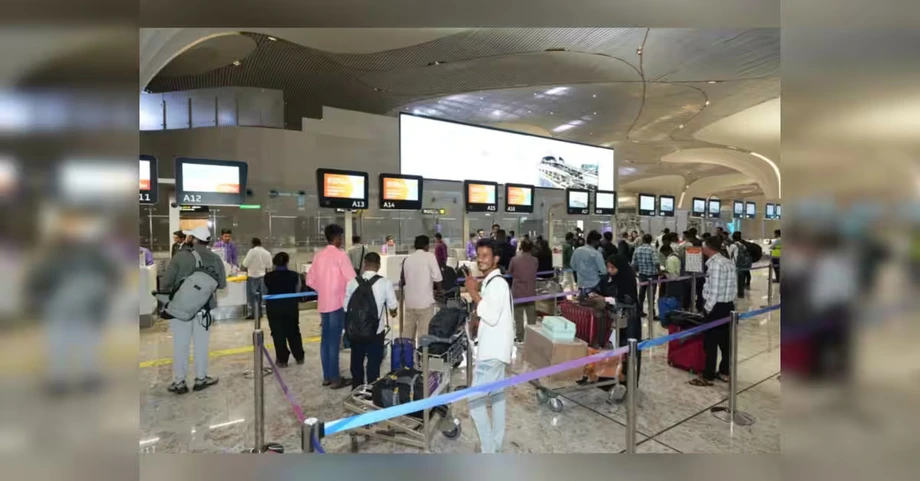
Navi Mumbai International Airport reached a major operational milestone on November 19, 2026, by handling 212 aircraft movements and more than 27,000 passengers in a single day. The facility managed 173 scheduled passenger flight movements, which included 87 arrivals and 86 departures. Alongside passenger services, the airport handled 20 cargo movements split evenly between arrivals and departures, as well as 19 general aviation movements consisting of eight arrivals and 11 departures. IndiGo led scheduled passenger operations with 122 aircraft movements, followed by Akasa Air with 35 movements, Air India Express with 10 movements, and FLY91 with six movements. The remaining 39 movements consisted of non-scheduled and cargo aircraft operations.
목차
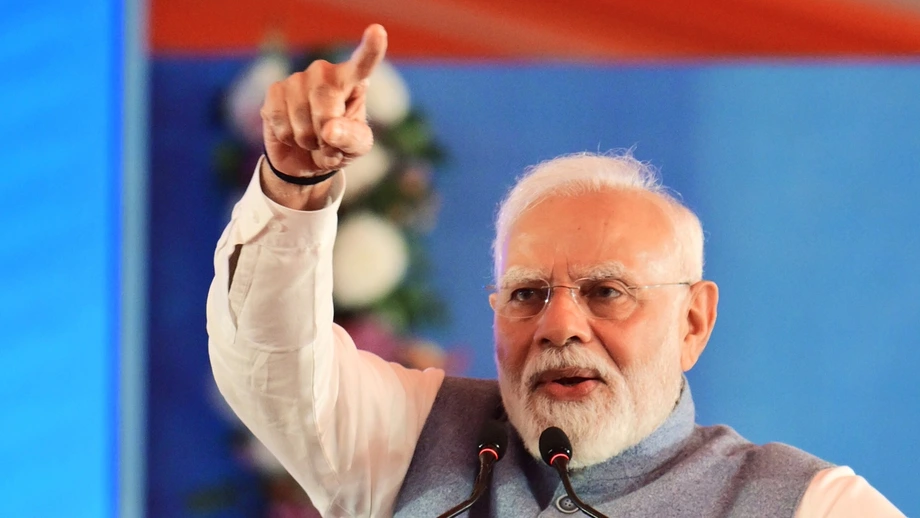
Jeet Adani, Director at Adani Airport Holdings Limited, shared details about the traffic milestone on the social media platform X. He credited the record to the preparation and teamwork of everyone involved in airport operations. A spokesperson for Navi Mumbai International Airport also discussed the achievement in a public statement.
This milestone is an important indicator of how quickly NMIA is scaling. Handling 212 aircraft movements and more than 27,000 passengers in a single day, alongside cargo and general aviation operations, demonstrates the strength of our infrastructure, operating systems, and teams. Our focus is not simply on achieving traffic milestones, but on building a safe, efficient, and scalable airport ecosystem that can support Mumbai's long-term growth.
The airport is developed and managed by Navi Mumbai International Airport Limited, which operates as a public-private partnership between Adani Airport Holdings Limited and the City and Industrial Development Corporation of Maharashtra Limited. The facility is designed to handle 20 million passengers annually in its initial phase, with capacity expected to expand up to 90 million passengers upon full completion, alongside 0.5 million metric tonnes of cargo capacity. Within its first five days of commercial operations, the airport welcomed 26,021 travellers, which included 12,431 arriving passengers and 13,590 departing passengers, alongside 162 scheduled air traffic movements.
Summer Schedule Expansion And Route Growth
Flight operations at Navi Mumbai International Airport are scheduled to scale up significantly under upcoming airline timetables. Average daily departures are projected to rise from 22 at the time of launch to 78 by April 2026. The summer schedule, which runs from March 29 to October 24, will add 30 new domestic routes and connect the facility to 46 destinations across India. Overall weekly flight operations are projected to reach 1,092 flights per week, translating to an average of 156 air traffic movements per day.
Cities across India will see varying frequencies of service under the expanded schedule. Delhi will have nine daily departures, Goa will have seven, Bengaluru will have six, and Cochin will have five. Additional services will connect to locations such as Hyderabad, Kolkata, Lucknow, Varanasi, and Indore. Three domestic carriers, namely IndiGo, Akasa Air, and Air India Express, will operate these additional flights to improve connectivity across urban economic hubs in the Mumbai Metropolitan Region.
Managing Capacity Constraints At Mumbai Airport
The rapid scaling of Navi Mumbai International Airport coincides with capacity management efforts at Mumbai's primary aviation facility, Chhatrapati Shivaji Maharaj International Airport. Chhatrapati Shivaji Maharaj International Airport currently handles approximately 55 million passengers annually across its two terminals. The airport operates with two intersecting runways, meaning only one runway can remain active at any given time, making it one of the most congested single-runway operations in the world. Terminal 1, which opened in 1964 and handles domestic traffic, possesses an annual capacity of about 15 million passengers. Structural audits conducted by Structwel in 2017 and Indian Institute of Technology Bombay in 2024 identified structural concerns in the ageing terminal building, necessitating comprehensive redevelopment that will raise its capacity to 20 million passengers annually.
To accommodate passenger traffic during the redevelopment work, Mumbai International Airport Limited proposed shifting certain flight operations to Navi Mumbai International Airport. Initially, the operator sought to reduce capacity across airlines regardless of destination. Following resistance from foreign carriers and intervention by the Ministry of Civil Aviation, the airport operator revised its strategy to adopt a destination-based approach. Under this updated framework, airlines will shift services based on specific routes rather than splitting individual airline schedules between the two locations.
Destination-Based Shifting And Affected Airlines
The updated transition plan targets 14 specific international destinations, primarily located in West Asia. The identified cities comprise Bahrain, Dammam, Dhaka, Doha, Fujairah, Jakarta, Jeddah, Kathmandu, Kuwait City, Madinah, Muscat, Ras Al Khaimah, Riyadh, and Sharjah. Domestic carriers including IndiGo, the Air India group, and Akasa Air have agreed to shift their operations for these 14 destinations to Navi Mumbai International Airport. Consequently, Mumbai International Airport Limited suspended slots for these routes at the primary Mumbai airport.
Foreign carriers operating flights to these 14 destinations face a choice between temporarily suspending operations until the completion of Terminal 1 redevelopment in 2029 or shifting their flights to Navi Mumbai International Airport. This change affects 12 overseas airlines, which operate approximately 16 daily departures. The impacted foreign carriers include Qatar Airways, Saudia, Air Arabia, Gulf Air, Kuwait Airways, Oman Air, Riyadh Air, Flyadeal, Flynas, Jazeera Airways, SalamAir, and Nepal Airlines. Meanwhile, major global airlines such as Emirates, Air France, and KLM will not be affected by this destination-specific reallocation.
The broader capacity management exercise is projected to impact five million passengers at the primary Mumbai airport. The transfer of international services for the 14 identified destinations by Indian carriers will account for approximately three million passengers annually, while the remaining volume is expected to come from the 12 affected overseas airlines. The airport operator plans to offset a portion of this capacity reduction by accommodating domestic passengers from Terminal 1 into Terminal 2 and shifting certain international flights away from Terminal 2.
Airline Objections And Regulatory Interventions
The restructuring of flight slots has generated friction between airport operators and international carriers. Airport slots are valuable assets due to limited runway and terminal capacity. Under standard slot allocation practices, airlines that maintain consistent utilisation are usually granted historical priority to retain their slots. The Airline Operators Committee of Mumbai, representing carriers operating from Chhatrapati Shivaji Maharaj International Airport, raised formal objections to the capacity reductions and questioned whether airport operators possess the authority to mandate relocations to secondary facilities.
Affected airlines have appealed to the Ministry of Civil Aviation to review the slot reallocations and determine whether official approval was granted for the capacity cuts. The transition of international services to a greenfield secondary airport represents an unprecedented logistical exercise in the Indian aviation sector. Previous airport transitions in India typically involved shifting all commercial traffic from an older facility to a newly constructed one rather than running dual hub operations simultaneously.
Timeline of Developments
- December 25: Navi Mumbai International Airport commenced commercial flight operations.
- October: The Ministry of Civil Aviation intervened to request a deferred transition plan and consultations with airlines.
- November 19: The airport recorded its busiest operational day with 212 aircraft movements and over 27,000 passengers.
- November 20: Airport operators and public officials released traffic figures and infrastructure updates.
- Late March: The upcoming summer schedule takes effect, introducing 30 new domestic routes and launching the destination-based international flight shifts.
- 2029: Expected completion date for the redevelopment of Terminal 1 at Chhatrapati Shivaji Maharaj International Airport.
At a Glance
- Navi Mumbai International Airport handled a record 212 aircraft movements and over 27,000 passengers on November 19.
- The airport is scaling its summer schedule to feature 1,092 flights per week across 46 domestic destinations.
- Mumbai International Airport Limited is reallocating flights to 14 destinations in West Asia to Navi Mumbai to facilitate Terminal 1 redevelopment.
- Twelve overseas airlines and three domestic carrier groups are involved in the phased international transition plan.
- The primary Mumbai airport aims to increase its overall handling capacity to 65 million passengers after completing terminal renovations.